

En esta noticia
The header on the Social Security Administration (SSA) official portal displays a clear and straightforward commitment: the process is entirely free and requires no third-party intermediaries.
In a country where a nine-digit code dictates an individual’s financial, employment, and civil identity, obtaining a Social Security Number (SSN) represents the fundamental gateway to formal life in the United States.
However, the journey to obtaining that small paper card does not begin at the end of a queue in a government office, but rather in the precise verification of each applicant’s legal status.
The direct path: integrated processing through immigration
For those entering the country on an immigrant visa or adjusting their status through U.S. Citizenship and Immigration Services (USCIS), the application process begins before stepping foot in an SSA field office. Through interagency agreements with the U.S.
Department of State and USCIS, applicants can request an SSN directly within their immigration paperwork—such as the Application for Employment Authorization (Form I-765) or the Application to Register Permanent Residence (Form I-485).
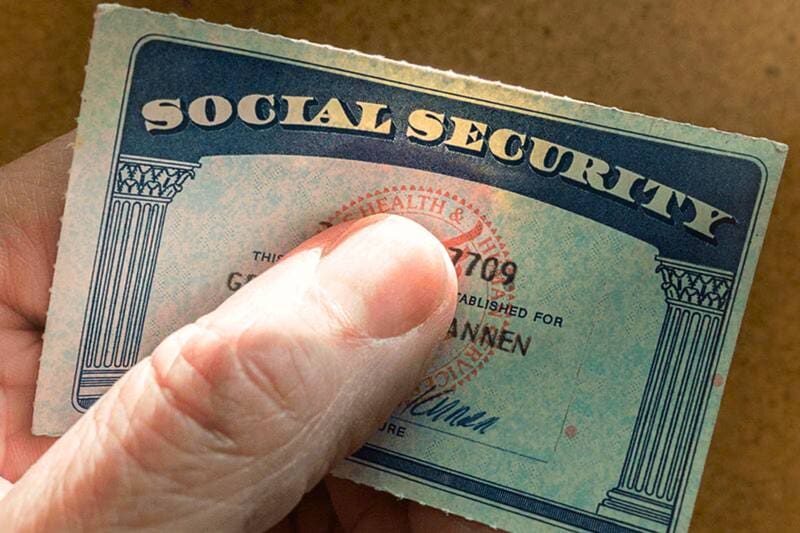
By checking the authorization box on these forms, applicant data is shared securely between agencies. Once USCIS approves the immigration benefit, it notifies the SSA, which automatically issues and mails the card without requiring an in-person visit to a local Social Security office.
In-person management: original Documents and physical verification
For international students, temporary workers, or individuals already residing in the United States who need an SSN for the first time, the process begins on the official SSA portal.
After answering a few preliminary questions, the agency determines the applicable path: completing the application entirely online, starting it online and then finishing it at a local office with the required documents, or scheduling an in-office appointment from the outset. Applicants who cannot use the online option can call the SSA to book an appointment.
When the SSA needs to see supporting evidence that the applicant does not have on hand, the agency allows 45 calendar days to return to the office with the required documents. Rules at the service counter are strict, leaving no room for error:
- No Photocopies: Photostat, notarized, or scanned copies are strictly rejected. All evidence must consist of original documents or official copies certified by the issuing agency.
- Proof of Age and Identity: Applicants must prove their age and identity with original documents or copies certified by the issuing agency. A birth certificate is the preferred proof of age, but the SSA may accept other records when one is unavailable. For non-citizens, an unexpired foreign passport and immigration documents generally serve as proof of identity.
- Work Authorization and Immigration Status: Non-citizens must verify their lawful presence and permission to work using their Form I-94 (Arrival/Departure Record), Permanent Resident Card (Green Card), or Employment Authorization Document (EAD).
Applying from Abroad
U.S. citizens or lawful permanent residents living outside the United States who require a first-time SSN must handle their request through the Federal Benefits Unit (FBU) located at the nearest U.S. embassy or consulate.
This process requires scheduling an appointment and presenting or submitting the necessary original documentation.
The final stretch: delivery by mail
After completing the interview at the counter and verifying document authenticity with the Department of Homeland Security (DHS), the application is processed.
The SSA does not issue or hand out cards in person on the day of the appointment. Instead, the printed card is mailed to the applicant’s U.S. address. The agency states that it processes the application and mails the card usually within 10 business days, and applicants should allow up to 14 business days for it to arrive.