En esta noticia
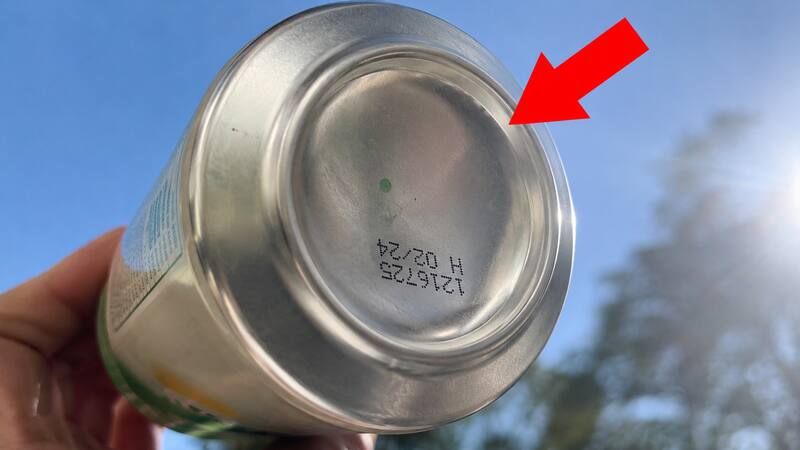
Soda and beer cans have a concave, rounded base that is not an aesthetic choice, but an engineering solution. That curvature allows the container to withstand the internal pressure of the gas without deforming or breaking.
Before arriving at this design, engineers evaluated other shapes, such as the sphere or the rectangular prism. Both failed in some way: the sphere wasted storage space and the prism created weak edges and higher production costs.
Why is the base of the can round and not flat?
The concave base works like a membrane: the internal pressure of the carbonated liquid pushes outward and increases the rigidity of the container. That effect prevents the metal from bulging or collapsing.
The cylindrical shape, together with the rounded edges, distributes the force evenly across the entire surface. This makes it possible to use less aluminum without sacrificing strength or safety.
Why the cylinder beats other shapes:
- It uses up to 91% of the volume in storage, compared with 74% for a sphere.
- It has no weak corners, unlike a rectangular container.
- It is stamped in a single step, while an angular shape needs four.
- It slides better along high-speed production lines, without the risk of getting stuck against the rails.
What benefits does this shape bring for production and the environment?
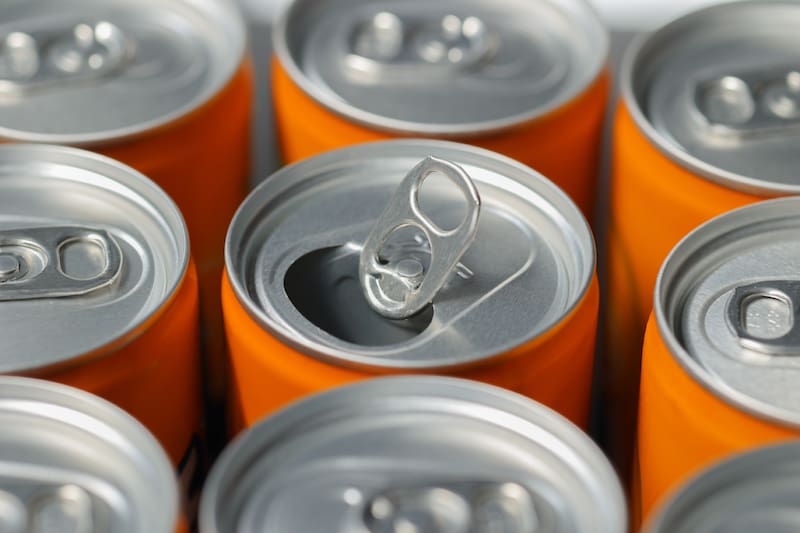
Making a cylindrical can of 33 cl requires about 310 cm² of material, compared with the 340 cm² required by a rectangular shape. That difference is multiplied by the nearly 15,000 containers produced per second worldwide.
Today, 70% of the aluminum used in cans comes from recycled material. In addition, the diameter of the lids has been reduced by six millimeters over the last six decades, a change that makes it possible to save about ninety million kilos of aluminum per year.